
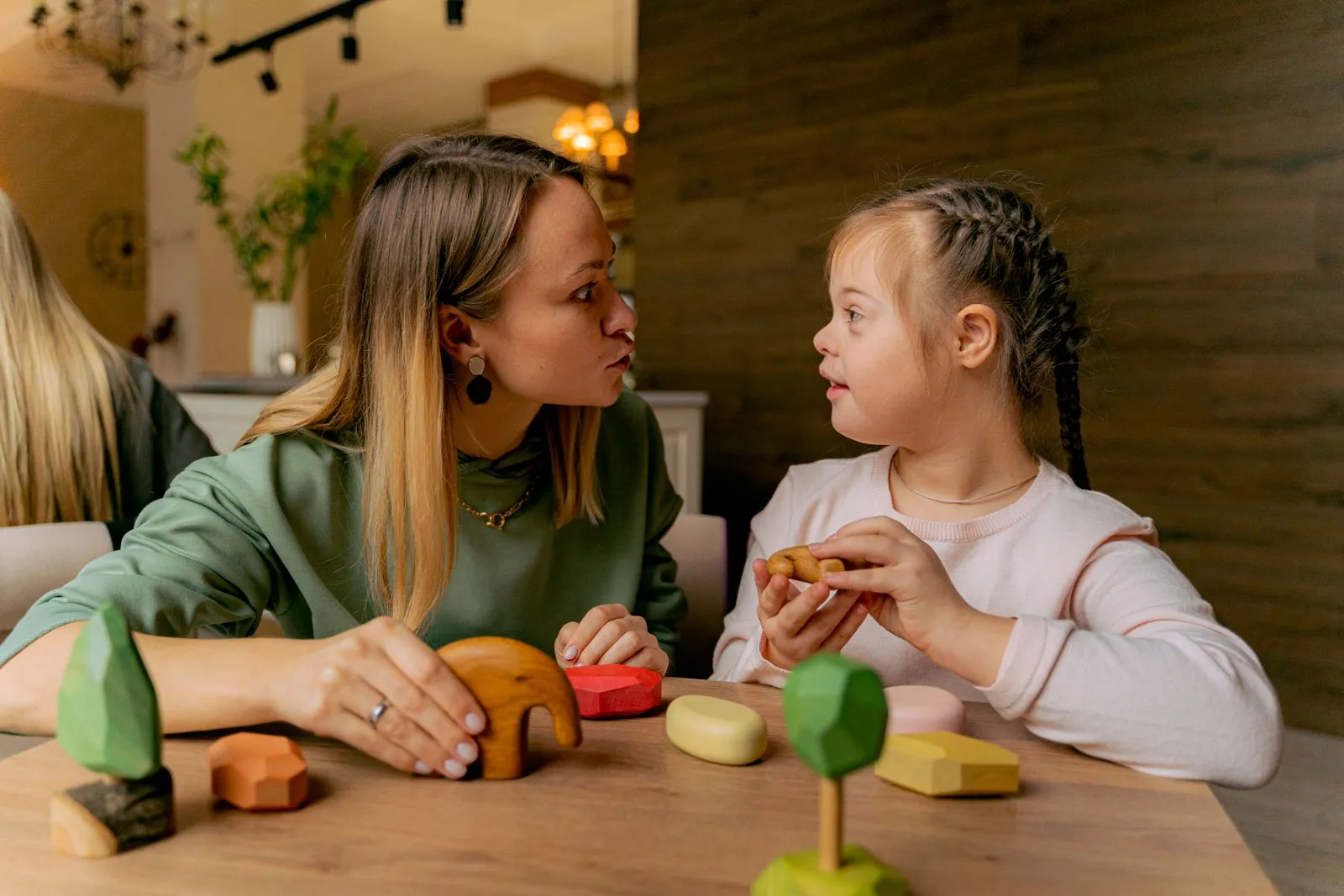
A first speech therapy assessment is a chance to understand how your child communicates and what could help them take their next steps. It is not a test your child needs to pass. The therapist gathers information through conversation, observation, and activities suited to your child’s age and interests. You can share what you have noticed at home or in childcare, ask questions, and help the therapist see both your child’s strengths and areas where they may need support.
Before the session
The therapist will usually ask about your concerns and what prompted you to seek support. They may ask when your child began babbling, using words, combining words, or following instructions, as well as how they communicate with familiar people. You might also discuss hearing, health, languages spoken at home, and your child’s experiences in childcare or school. These details help put communication skills in context.
Think about a few everyday examples before you attend. For instance, note how your child asks for help, responds to their name, follows familiar routines, or gets their message across when someone does not understand. You do not need to prepare formal records or make your child practise. If you have reports or questions from another professional, bring them if they seem relevant.
During the assessment
The therapist may observe your child in play and use toys, books, pictures, or simple conversation to invite communication. Activities are chosen to suit your child’s age and comfort. The therapist may look at how your child understands words and instructions, uses sounds and words, combines ideas, takes turns, and communicates with gestures or facial expressions. They may also notice what catches your child’s interest and helps them engage.
You may be asked to join in or describe what your child usually does at home. Your child might speak freely, warm up slowly, or communicate more through gestures on the day. A single session is only one view of their skills, so the therapist considers your observations alongside what they see. If your child needs a break, the therapist can adapt the pace and activities.
Strengths and support needs
An assessment should identify what your child can already do, not just what is difficult. They may be good at sharing interests, understanding familiar routines, using gestures, or connecting with people during play. Recognizing these strengths gives the therapist useful starting points for support. It can also help you notice which situations make communication easier for your child.
The therapist may identify areas to explore further, such as understanding spoken language, expressing needs, speech clarity, or social communication. They should explain their observations in clear language and discuss how these skills affect everyday activities. An assessment does not always produce a complete answer in one visit. The therapist may recommend more observation or an additional check if they need a clearer picture.
Feedback and next steps
At the end, expect time to discuss what the therapist noticed and what it may mean for your child. Ask which skills are developing well, which situations seem harder, and what you can try at home. If therapy is recommended, the therapist should explain the goals, how sessions might work, and how progress will be reviewed. You can also ask how you will be involved between sessions.
Possible next steps vary. They may include practical strategies for daily routines, a plan for therapy, a review after a period of time, or coordination with another professional when appropriate. Ask when you should expect a written summary and who to contact with follow-up questions. Clear next steps make it easier to decide what feels suitable for your family.
A speech therapy assessment helps build a practical picture of your child’s communication: what is working, where support may help, and what to consider next. Bring your questions and everyday examples, and share what matters most to your family. Sheffield Speech Steps can help you discuss an assessment and possible support options.